Food Categories at a Glance
The Mediterranean diet is a plant-forward eating pattern that emphasizes vegetables, fruits, whole grains, legumes, nuts, seeds, and extra virgin olive oil. It also includes fish and seafood, moderate amounts of poultry, eggs, and dairy, and limits red meat and sweets. This food list breaks down each category with examples and typical serving sizes to help you assemble balanced meals.
Sources: Cleveland Clinic, Oldways, Healthline
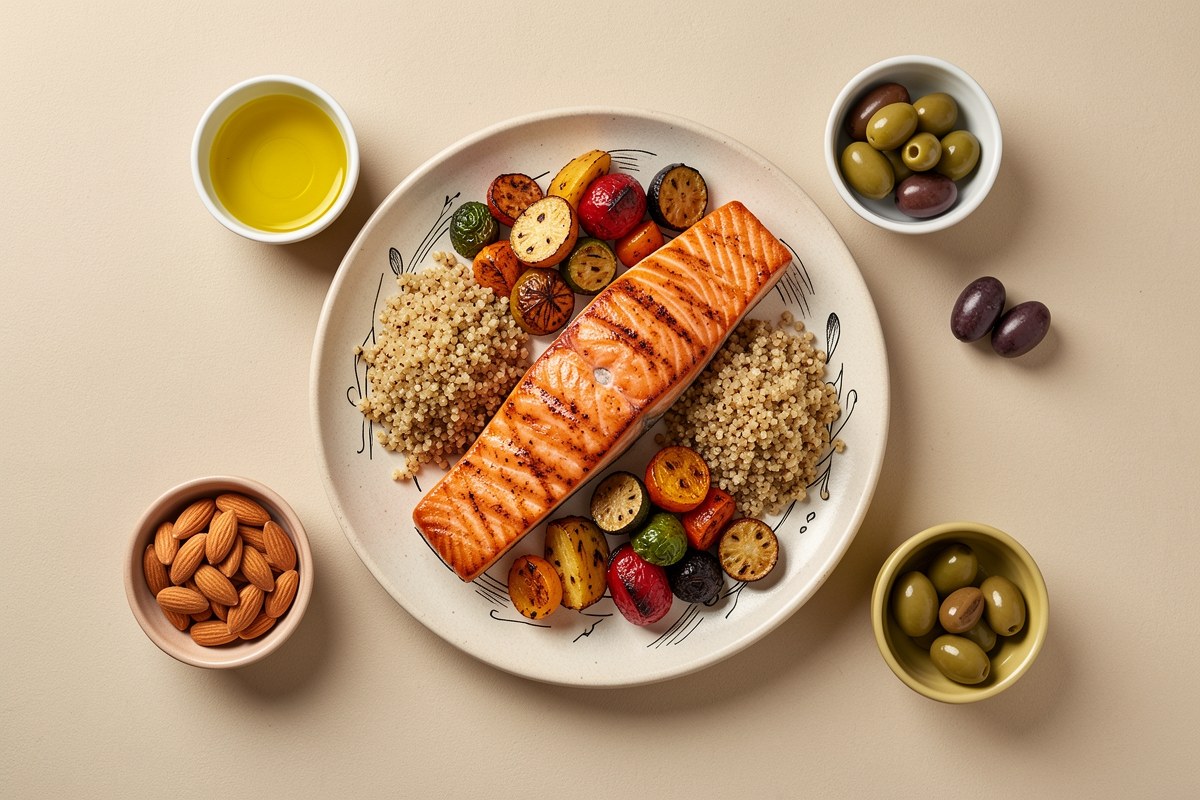
Vegetables and Fruits
Vegetables and fruits form the foundation of Mediterranean meals. They provide vitamins, minerals, fiber, and antioxidants, and they contribute to the diet's high plant content. Aim for at least 3 servings of vegetables per day and about 3 servings of fruit per day. A serving of cooked vegetables is ½ cup, while a serving of raw vegetables is 1 cup. For fruit, a serving is ½ to 1 cup.
- Vegetables: tomatoes, broccoli, kale, spinach, onions, cauliflower, carrots, Brussels sprouts, cucumbers, potatoes, sweet potatoes, turnips
- Fruits: apples, bananas, oranges, pears, strawberries, grapes, dates, figs, melons, peaches
Sources: Cleveland Clinic, Healthline
Whole Grains and Starchy Vegetables
Whole grains and starchy vegetables, including potatoes, peas, and corn, provide sustained energy and fiber. Aim for 3 to 6 servings per day. A serving of cooked grains, pasta, or cereal is ½ cup; a slice of bread counts as one serving, as does 1 cup of dry cereal. Choose whole grain options like oats, brown rice, rye, barley, corn, buckwheat, and whole wheat bread and pasta. When preparing potatoes, opt for baking or roasting rather than frying to keep the dish in line with the Mediterranean style.
Sources: Cleveland Clinic, Healthline
Lean Proteins: Fish, Seafood, Poultry, Eggs, and Legumes
Protein in the Mediterranean diet comes largely from plant sources and seafood. Legumes—beans, lentils, peas, and chickpeas—are recommended 3 servings per week, with a serving size of ½ cup. Fish is recommended 3 servings per week (or at least twice weekly, according to some guidance), with a serving of 3 to 4 ounces. Choose fatty fish rich in omega-3s, such as salmon, sardines, trout, tuna, and mackerel. Poultry is acceptable up to once daily (though less is often better) with a serving size of 3 ounces. Eggs are included, but limit egg yolk intake to about 1 per day; if you have high cholesterol, consider limiting yolks to 4 per week. Egg whites are not restricted.
- Fish and seafood: salmon, sardines, trout, tuna, mackerel, shrimp, oysters, clams, crab, mussels
- Poultry: chicken, duck, turkey
- Legumes: beans, peas, lentils, pulses, peanuts, chickpeas
Sources: Cleveland Clinic, Healthline
Healthy Fats: Olive Oil, Nuts, Seeds, and Avocado
Extra virgin olive oil (EVOO) is the primary added fat in the Mediterranean diet, and it's recommended at 1 to 4 tablespoons per day. Nuts, seeds, and avocado are also important sources of healthy fats. Include at least 3 servings of nuts per week, with a serving of ¼ cup or 2 tablespoons of nut butter. Common choices include almonds, walnuts, macadamia nuts, hazelnuts, and cashews, as well as sunflower seeds and pumpkin seeds.
- Nuts and seeds: almonds, walnuts, hazelnuts, macadamia nuts, cashews, sunflower seeds, pumpkin seeds, and nut butters
- Other healthy fats: avocados, avocado oil, olives
Sources: Cleveland Clinic, Healthline
Dairy in Moderation
Dairy products such as cheese, yogurt, and milk are consumed in moderate amounts, typically daily to weekly. If you include dairy, aim for no more than one serving per day (less may be better). A serving is 1 cup of milk or yogurt, or 1½ ounces of natural cheese. Full-fat Greek yogurt and small amounts of flavorful cheeses like feta or Parmesan are common choices.
Sources: Cleveland Clinic, Oldways
Herbs, Spices, and Flavor Enhancers
The Mediterranean diet uses herbs and spices to add flavor without relying on salt or unhealthy fats. Common seasonings include basil, oregano, rosemary, thyme, garlic, onion, cumin, coriander, fennel, and red pepper flakes. These ingredients also provide antioxidants and help make vegetables and plant-based meals more appealing.
Sources: Oldways
Example Serving Sizes and Suggested Weekly Frequency
The table below summarizes typical serving sizes and recommended frequencies for major Mediterranean diet food groups, based on guidance from Cleveland Clinic and Oldways. These are general guidelines; your individual needs may vary based on age, activity, and health status. For personalized advice, consult a registered dietitian or healthcare provider.
| Food Group | Serving Size | Suggested Frequency |
|---|---|---|
| Vegetables | ½ cup cooked or 1 cup raw | At least 3 servings per day |
| Fruits | ½ to 1 cup | About 3 servings per day |
| Whole grains & starchy vegetables | ½ cup cooked grains, pasta, or cereal; 1 slice bread; or 1 cup dry cereal | 3 to 6 servings per day |
| Extra virgin olive oil | 1 tablespoon | 1 to 4 tablespoons per day |
| Legumes | ½ cup cooked | 3 servings per week |
| Fish and seafood | 3 to 4 ounces | 3 servings per week (or at least twice weekly) |
| Nuts | ¼ cup nuts or 2 tbsp nut butter | At least 3 servings per week |
| Poultry | 3 ounces | No more than once daily (less may be better) |
| Eggs | 1 yolk; whites unlimited | Limited to 1 yolk per day; 4 yolks per week if high cholesterol |
| Dairy | 1 cup milk or yogurt; 1.5 oz natural cheese | No more than once per day (less may be better) |
| Red meat | 3 ounces (lean cuts) | None or no more than 1 serving per week |
Sources: Cleveland Clinic, Oldways
Frequently asked questions
Can I eat potatoes on a Mediterranean diet?
Yes, potatoes are allowed as part of the starchy vegetable category. They should be prepared in a healthful way, such as baking or roasting, rather than frying. Enjoy them in moderation within the recommended 3 to 6 daily servings of whole grains and starchy vegetables.
Sources: Cleveland ClinicHow many servings of fruit should I eat per day?
The Mediterranean diet suggests about 3 servings of fruit each day. One serving is ½ to 1 cup, depending on the fruit. This adds natural sweetness and important nutrients to your meals.
Sources: Cleveland ClinicIs cheese allowed in the Mediterranean diet?
Yes, cheese is allowed, but it is eaten in moderation. The diet recommends no more than one daily serving of dairy (which includes cheese), and less may be better. A serving of natural cheese is 1½ ounces. Feta, Parmesan, and other flavorful cheeses are often used in small amounts to add taste.
Sources: Cleveland Clinic, OldwaysWhich seafood is most recommended?
Seafood rich in omega-3 fatty acids is especially recommended. Good choices include salmon, sardines, trout, tuna, and mackerel. The diet suggests eating fish or seafood at least twice a week, and some guidance recommends three servings weekly, with each serving being 3 to 4 ounces.
Sources: Cleveland Clinic, Oldways