Understanding the Mediterranean Diet’s Boundaries
The Mediterranean diet is often celebrated for its abundance of plant foods, whole grains, and healthy fats, but it also has clear boundaries. Knowing what to limit or avoid helps you follow the pattern accurately and get the most from its health benefits. This guide focuses on foods that are not central to the Mediterranean way of eating, clarifying how to handle them in a realistic, balanced context.
Rather than an all-or-nothing approach, the Mediterranean diet encourages a shift toward whole, minimally processed foods. By understanding which foods to limit, you can make informed choices that align with the pattern while still leaving room for flexibility.
Red Meat and Processed Meats
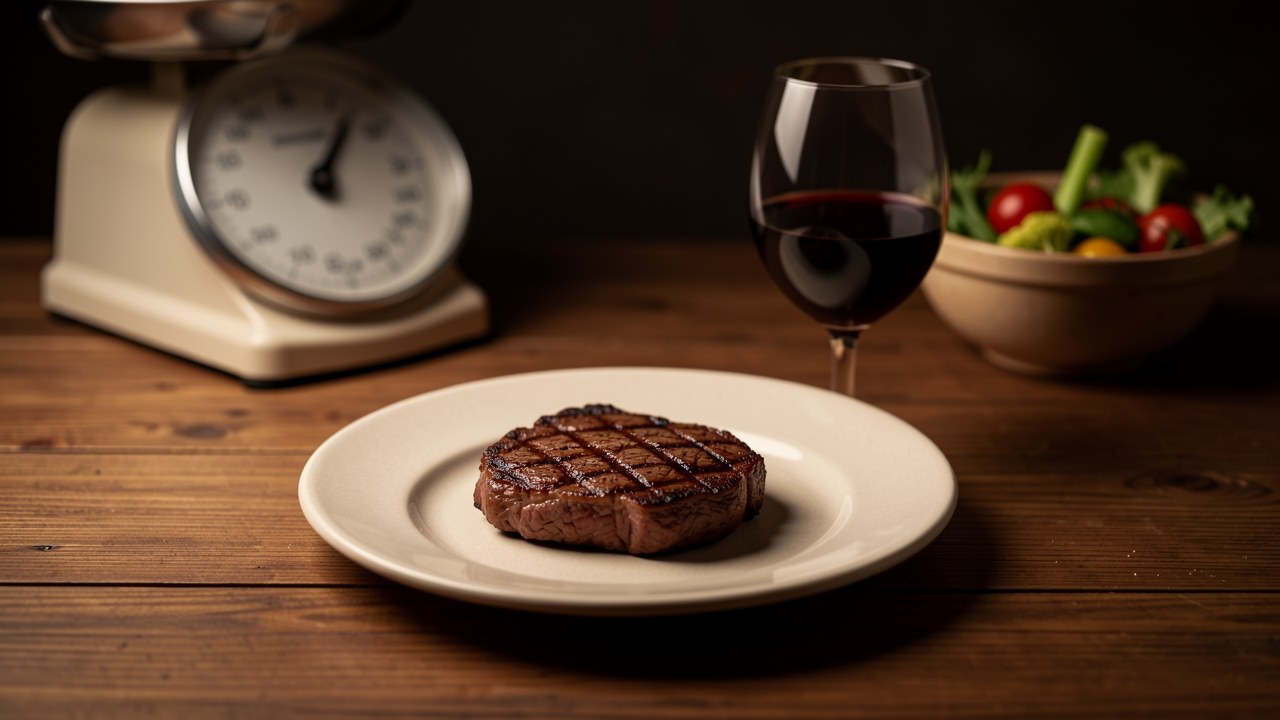
Red meat—such as beef, pork, veal, and lamb—is limited in the Mediterranean diet. Guidance from the Cleveland Clinic suggests no more than one serving per week, with a serving around 3 ounces, and recommends lean cuts like tenderloin, sirloin, and flank steak when you do eat it. The Mayo Clinic similarly notes that red meat is consumed sparingly, perhaps once a week or less.
Some sources are even more conservative. GoodRx suggests that red meat might be enjoyed only once or twice a month, and when it is served, it is often treated as a side dish rather than the main event. The key is to treat red meat as an occasional flavor accent, not a daily staple.
Processed meats, including bacon, ham, hot dogs, and deli meats, are limited or avoided entirely. These items are not part of the traditional Mediterranean pattern, and most authoritative guidance recommends minimizing them due to their association with health risks.
Sources: Cleveland Clinic, Mayo Clinic Diet, GoodRx, Medical News Today
Refined Grains and Added Sugars
Refined grains—such as white bread, white pasta, and other products made with white flour—are limited in favor of whole grains like whole wheat, oats, and brown rice. The Cleveland Clinic advises limiting refined carbohydrates, the Mayo Clinic lists them among foods to limit, and Medical News Today specifically names white bread and white pasta as items to reduce.
Added sugars are another area to watch. Sugary breakfast cereals, candy, baked goods, and sweetened beverages like soda and sweet tea are not part of a Mediterranean eating pattern. Multiple sources, including the Mayo Clinic and GoodRx, recommend limiting these foods and drinks. The traditional Mediterranean diet is naturally low in added sugar, focusing instead on naturally sweet fruits.
Commercially prepared baked goods and desserts are typically avoided, while homemade treats may be limited to no more than three servings per week, according to Cleveland Clinic. This practical distinction allows for occasional enjoyment without making sweets a regular feature.
Sources: Cleveland Clinic, Mayo Clinic Diet, GoodRx, Medical News Today, WeightWatchers
Highly Processed Foods and Industrial Seed Oils
Highly processed, packaged foods are another category to limit. This includes ultra-processed items like fast food, instant noodles, and many ready-to-eat meals. The Mediterranean diet emphasizes fresh, whole ingredients, so heavily processed convenience foods are not a regular part of the pattern.
Regarding fats, extra virgin olive oil (EVOO) is the primary source of fat on the Mediterranean diet. Butter, cream, and other animal fats are limited. Some sources also suggest replacing vegetable oils—such as corn or soybean oil—with olive oil, but the term “industrial seed oils” is not consistently used across authoritative guidance. In practice, choosing olive oil as your main cooking and finishing oil aligns with the Mediterranean approach.
Trans fats, often present in deep-fried foods and some commercial baked goods, should be avoided altogether due to their negative health effects. Reading labels to identify partially hydrogenated oils can help you steer clear.
Sources: Cleveland Clinic, Mayo Clinic Diet, Medical News Today, Everyday Health
Excessive Salt and Using Herbs Instead
The Mediterranean diet is naturally moderate in sodium, and excessive salt is discouraged. High-sodium foods like pretzels and chips are often listed among items to limit. Instead of relying on salt, the pattern uses herbs and spices—such as oregano, basil, rosemary, and garlic—to add flavor. This not only reduces sodium intake but also boosts the taste and variety of meals.
A simple way to cut back is to flavor dishes with fresh or dried herbs, lemon zest, and spices rather than reaching for the salt shaker. Over time, your palate adjusts, and you may find you need less salt to enjoy your food.
Sources: Cleveland Clinic, GoodRx
Alcohol: What the Pattern Suggests
Red wine is often associated with the Mediterranean diet, but it is optional. Moderate consumption is defined as up to one serving per day for women and up to two servings per day for men, according to Cleveland Clinic. The Mayo Clinic similarly notes that moderate amounts may be included.
If you do not drink alcohol, health authorities advise not to start for the sake of health benefits. There are many ways to enjoy the Mediterranean diet without wine, such as sparkling water with lemon or herbal teas.
Sources: Cleveland Clinic, Mayo Clinic Diet
How to Treat ‘Treats’ Occasionally
Strictly avoiding every less-healthy food is not realistic for most people. The Mediterranean diet is more about overall pattern than perfection. For occasional treats, like a slice of cake or a favorite snack, the key is to enjoy them in small amounts and infrequently—not as a daily habit.
When you do include a treat, try to savor it mindfully and pair it with a balanced meal. For example, if you have dessert, choose a small portion and balance it with a vegetable-rich dinner. The Cleveland Clinic’s guidance of limiting homemade baked goods to three servings per week offers a concrete, moderate approach.
Making treats at home with whole ingredients, like oatmeal cookies with olive oil or whole-wheat muffins, can be a more nutritious option than commercial versions. The overarching idea is to maintain the Mediterranean pattern as your foundation while allowing occasional flexibility.
- Enjoy treats in small portions and not every day.
- When possible, choose homemade versions with better ingredients.
- Pair treats with a balanced meal to keep your overall pattern healthy.
Sources: Cleveland Clinic
Frequently asked questions
Can I eat a steak once in a while?
Yes, you can enjoy a steak occasionally. The Mediterranean diet allows red meat sparingly. According to the Cleveland Clinic, you can have no more than one serving per week, and a serving is about 3 ounces. The Mayo Clinic suggests red meat perhaps once a week or less, while GoodRx indicates it may be once or twice a month. When you do eat steak, opt for lean cuts like sirloin or tenderloin, and consider making it a side dish rather than the main focus of your meal.
Sources: Cleveland Clinic, Mayo Clinic Diet, GoodRxIs wine essential to the Mediterranean diet?
No, wine is not essential. The Mediterranean diet includes moderate red wine as an optional component. If you choose to drink, moderate amounts are defined as up to one glass per day for women and up to two for men. However, if you do not currently drink alcohol, health experts advise not to start for health benefits. There are many non-alcoholic ways to enjoy the diet, so wine is a personal choice, not a requirement.
Sources: Cleveland Clinic, Mayo Clinic DietSources
- Mediterranean Diet: Food List & Meal Plan - Cleveland Clinic — Cleveland Clinic
- Mediterranean Diet 101: Core Principles and Proven Health Gains | Mayo Clinic Diet — Mayo Clinic Diet
- What Is the Mediterranean Diet, and Why Is It Beneficial? — GoodRx
- A complete guide to the Mediterranean diet — Medical News Today
- Mediterranean Diet: Complete Food List and 14-Day Meal Plan — Everyday Health
- Mediterranean diet: A complete guide | WW USA — WeightWatchers