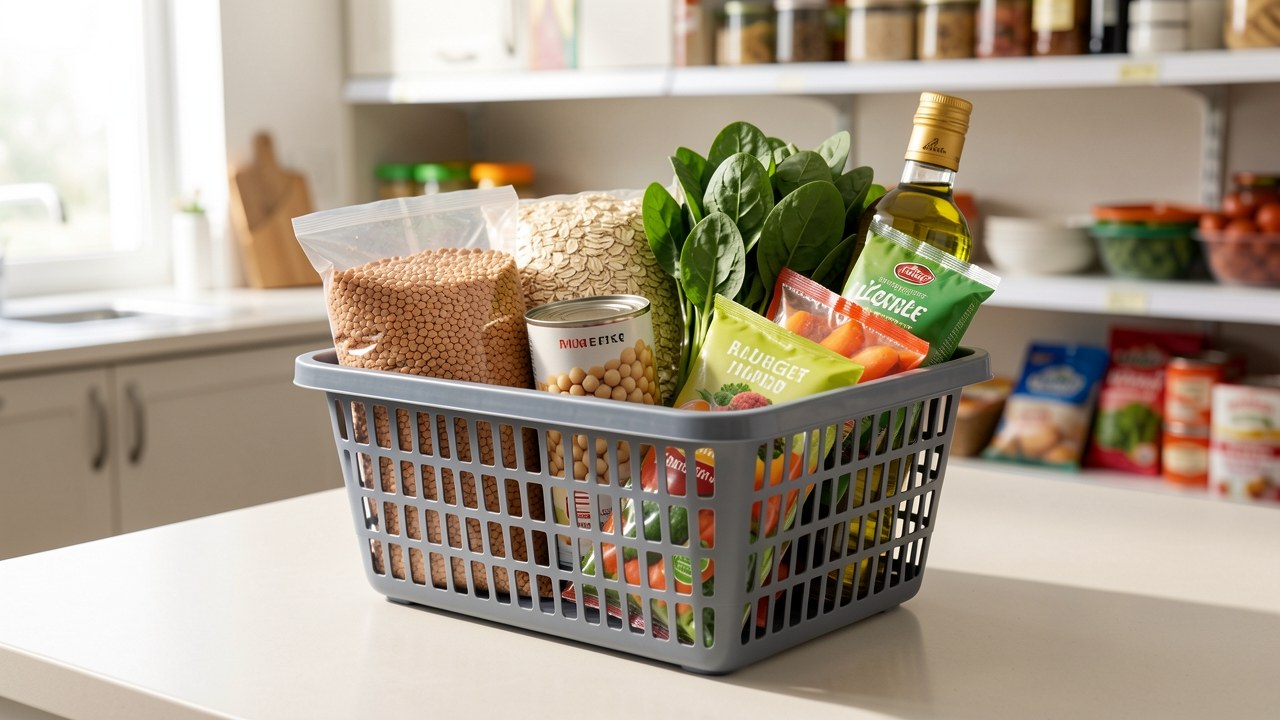
Why the Mediterranean Diet Can Be Affordable
The Mediterranean diet is often perceived as expensive because it may include olive oil, fish, and fresh produce. However, its foundation is built on foods that are naturally inexpensive: legumes, whole grains, seasonal vegetables, and eggs. By focusing on these staples, you can create delicious meals that fit a tight budget.
The Mediterranean eating pattern emphasizes plant-based foods and healthy fats, with extra virgin olive oil as the main source of fat. It also limits red meat, which is often one of the costliest items in a typical Western diet. Replacing some meat with beans, lentils, and eggs can significantly lower your grocery bill while still supporting heart health and weight management.
- Legumes such as beans and lentils are a cornerstone of the diet and are very affordable, especially when bought dried.
- Whole grains like oats, brown rice, and whole-grain pasta provide filling, low-cost bases for meals.
- Seasonal vegetables and fruits are often cheaper and more flavorful than out-of-season produce.
- Canned fish like tuna, sardines, and salmon offer a cost-effective way to include omega-3-rich fish in your meals.
Sources: Cleveland Clinic, The Tavola, EatingWell, Morocco Gold
The Most Budget-Friendly Mediterranean Staples
To make Mediterranean meal planning affordable, stock your pantry and fridge with these inexpensive, versatile foods. They form the basis of countless meals and help you stick to your budget while following a healthy eating pattern.
Beans and lentils are among the cheapest protein sources you can buy. They are also high in fiber and fit perfectly into the Mediterranean diet, which recommends at least 3 servings of legumes per week. A serving is ½ cup of cooked beans or lentils.
Eggs are another affordable protein. The Mediterranean diet allows up to one egg yolk per day, and egg whites are not limited. This makes eggs a flexible and budget-friendly option for breakfast, lunch, or dinner.
Whole grains such as oats, barley, quinoa, and brown rice are recommended, and choosing whole-grain versions of bread and pasta is a good habit. Buying these in bulk can save money and ensures you always have a base for your meals.
Frozen and canned vegetables are just as nutritious as fresh and often cheaper. They have a longer shelf life, reducing food waste. Similarly, canned fish like tuna, sardines, and salmon are cost-effective alternatives to fresh fish and provide the omega-3s recommended in the diet.
Olive oil, preferably extra virgin, is the main fat in the Mediterranean diet. While it can be pricey, you only need 1 to 4 tablespoons per day. Using it to replace butter or mayonnaise can actually save money over time, as a little goes a long way.
- Dried beans and lentils: buy in bulk to save more.
- Eggs: a low-cost protein that fits the diet's guidelines.
- Whole grains: oats, brown rice, barley, and whole-grain pasta.
- Frozen and canned vegetables: convenient, affordable, and long-lasting.
- Canned fish: tuna, salmon, and sardines provide omega-3s at a lower cost than fresh.
- Olive oil: store-brand or on-sale options can keep costs down.
| Staple | Typical Use | Budget Tip |
|---|---|---|
| Dried beans (e.g., chickpeas, black beans) | Soups, stews, salads, dips | Buy in bulk; soak and cook at home |
| Lentils | Hearty soups, salads, veggie burgers | Very cheap; cook in 20-30 minutes |
| Eggs | Breakfast scrambles, frittatas, protein on salads | Purchase by the dozen; use as meat substitute sometimes |
| Whole-grain pasta | Pasta dishes with vegetables or lentils | Choose store brands; watch for sales |
| Old-fashioned oats | Breakfast porridge, baked goods, savory bowls | Buy large containers; use for breakfast to save on pricier cereals |
| Frozen spinach and mixed vegetables | Add to pasta, omelets, rice dishes | Cheaper than fresh and no waste |
| Canned diced tomatoes | Sauces, soups, shakshuka | Buy in multi-packs when on sale |
| Canned tuna or sardines | Sandwiches, salads, pasta | Cost-effective source of omega-3s; stock up on sales |
| Olive oil | Cooking, salad dressings | Use store brand or buy on sale; a bottle lasts a while |
Sources: Cleveland Clinic, Listonic, EatingWell, Yahoo Health, Morocco Gold
Smart Shopping Strategies
Smart shopping can make a significant difference in your grocery bill without sacrificing the quality of your Mediterranean meals. Here are practical strategies to help you stay on budget.
Start by planning your meals for the week. This reduces impulse buys and food waste. Then, make a shopping list and stick to it. You can use a template you create yourself—perhaps a simple notebook page or a digital note—to outline which meals you'll make and which ingredients you need.
Take advantage of sales and store brands. For example, store-brand olive oil often has similar quality to name brands but at a lower price, and buying olive oil on sale can save money. Similarly, canned fish, beans, and whole grains are often available under store labels at a discount.
Buying in bulk is another effective strategy. Dried beans, lentils, oats, and other whole grains are cheaper per serving when purchased in large quantities. Only buy what you'll use, though, to avoid waste.
When it comes to produce, buy seasonal fruits and vegetables. They are not only cheaper but also at their peak flavor. Frozen and canned vegetables are excellent budget-friendly options because they are often harvested at their best and can be stored for future use.
- Plan meals weekly and create a shopping list.
- Compare unit prices to find the best deals.
- Choose store brands for items like olive oil and canned goods.
- Buy dried beans, lentils, and grains in bulk.
- Purchase seasonal produce to save money.
- Incorporate frozen and canned vegetables to reduce waste and cost.
Sources: Listonic, EatingWell, Yahoo Health
Cooking in Bulk to Save Money
Cooking larger batches of food is a powerful way to save both time and money. When you cook in bulk, you can utilize inexpensive staples like beans and whole grains, and you'll have ready-made meals for the week, reducing the temptation to order takeout.
Start by preparing staples in larger quantities. For example, cook a big pot of dried beans or lentils and use them in multiple meals: as a side dish, in soups, salads, or as a base for veggie burgers. Similarly, cook a large batch of brown rice or quinoa to use throughout the week.
Another strategy is to cook several meals at once and freeze portions. Many soups, stews, and casseroles freeze well. For example, a large pot of lentil soup can be portioned into containers and stored in the freezer for future quick lunches or dinners. This ensures you always have a healthy Mediterranean meal on hand without ordering out.
Batch cooking also allows you to take advantage of sales and bulk purchases, further reducing your overall food costs.
- Cook large batches of beans, lentils, and whole grains on the weekend.
- Use cooked staples in varied recipes throughout the week.
- Freeze leftovers in single-serving portions for quick meals.
- Make a big pot of soup or stew that you can eat for several days.
- Roast a sheet pan of vegetables and use them in salads, omelets, or grain bowls.
Sources: Listonic, EatingWell
Sample Budget-Friendly Meal Ideas
Here are several budget-friendly Mediterranean meal ideas that rely on affordable staples. These are not full recipes with exact measurements, but rather flexible templates you can adapt based on what you have on hand.
Breakfast options include oatmeal made with milk or water, topped with fruit and a sprinkle of cinnamon. Eggs are another great choice: try a vegetable frittata made with eggs, leftover vegetables, and a bit of cheese. You can also prepare Greek yogurt with oats and fruit if the yogurt is on sale.
Lunches and dinners might feature hearty salads with chickpeas, cucumber, tomato, and feta (if affordable). Lentil soup is a budget-friendly classic that pairs with whole-grain bread. Pasta dishes with canned tomatoes, garlic, and tuna are quick and inexpensive. Rice bowls with black beans, salsa, and avocado are also nutritious and filling.
The key is to combine a whole grain, a protein from legumes or eggs or canned fish, and plenty of vegetables. This ensures balanced meals that align with the Mediterranean diet's emphasis on plant-based foods.
- Oatmeal with fruit and cinnamon.
- Vegetable frittata with eggs.
- Chickpea salad with cucumber, tomato, and herbs.
- Lentil soup with whole-grain bread.
- Whole-wheat pasta with garlic, tomatoes, and tuna.
- Rice bowls with black beans and sautéed vegetables.
Sources: Listonic, EatingWell
Balancing Cost and Quality
While saving money is important, you don't have to sacrifice quality or nutrition. The Mediterranean diet encourages a variety of plant-based foods, and you can achieve that within a budget by making smart choices.
For olive oil, buying a store brand or waiting for a sale can keep costs reasonable while still getting a good product. Similarly, for fish, canned options like tuna and sardines provide the recommended omega-3 fatty acids at a fraction of the cost of fresh fish. You can also watch for sales on frozen fish.
It's also wise to choose conventional produce when you want to save money and select organic items only when they align with your personal preferences. Many stores offer a range of options, and you can decide what matters most to you.
In summary, a Mediterranean-style diet can be both budget-friendly and nutritious. By focusing on affordable staples, shopping smart, and cooking in bulk, you can enjoy the health benefits without stretching your wallet.
- Choose store brands for staples like olive oil and canned fish.
- Buy frozen fish when it's on sale as a budget-friendly alternative to fresh.
- Select conventional produce to save money when organic is not required for your preferences.
- Use olive oil in moderation; it's a healthy fat but can be pricey, so making it last is key.
Sources: Cleveland Clinic, Yahoo Health
Frequently asked questions
Is olive oil expensive? Are there cheaper alternatives?
Extra virgin olive oil can be pricey, but it is the recommended main fat in the Mediterranean diet. To save money, you can choose store-brand olive oil or buy it when it's on sale; these options often have similar quality to name brands. You only need 1 to 4 tablespoons per day, so a bottle lasts a while. For most home cooking, olive oil is suitable, so there's no need to switch to a different oil for health or budget reasons.
Sources: Cleveland Clinic, Yahoo HealthWhat are the cheapest Mediterranean meals?
The cheapest Mediterranean meals are built around legumes such as beans and lentils, whole grains like brown rice or whole-wheat pasta, and seasonal or frozen vegetables. For example, lentil soup with whole-grain bread, chickpea salads, or vegetable and bean stews are very low-cost. Eggs are also an inexpensive protein that can be used in frittatas or as a topping for grain bowls. Canned fish such as tuna or sardines add omega-3s without the cost of fresh fish. By mixing these staples, you can create a variety of satisfying, nutritious meals that align with the Mediterranean diet.
Sources: Listonic, EatingWellHow can I save on fresh produce?
To save on fresh produce, focus on buying fruits and vegetables that are in season, as they are typically cheaper and more flavorful. Compare prices at supermarkets and farmers' markets, and look for sales and discounts. Consider purchasing larger quantities of items like onions, potatoes, and carrots that have a long shelf life. Additionally, frozen and canned vegetables are just as nutritious and can be more affordable, especially for out-of-season items. Planning meals around what’s on sale can significantly reduce your produce bill.
Sources: Listonic, EatingWell, Yahoo HealthCan I use frozen or canned vegetables?
Yes, frozen and canned vegetables are excellent options for a budget-friendly Mediterranean diet. They are often harvested at peak ripeness and are just as nutritious as fresh vegetables. Canned tomatoes, for instance, are a staple in Mediterranean cooking and can be cheaper than fresh. Frozen spinach, peas, and mixed vegetables are great for adding to soups, stews, and pastas. When buying canned vegetables, check the sodium content and choose low-sodium options or rinse them before use. Using frozen and canned vegetables reduces food waste and can help you stick to your budget.
Sources: EatingWell, Yahoo HealthSources
- Mediterranean Diet: Food List & Meal Plan - Cleveland Clinic — Cleveland Clinic
- Mediterranean Diet Meal Plan: A Complete 7-Day Guide — The Tavola
- Budget meal plan for Mediterranean diet - listonic.com — Listonic
- 30-Day Mediterranean Budget Meal Plan, Created by a Dietitian — EatingWell
- Mediterranean diet, meager budget. Can you dupe the world's healthiest meal plans? — Yahoo Health
- The Mediterranean Diet On A Budget — Morocco Gold