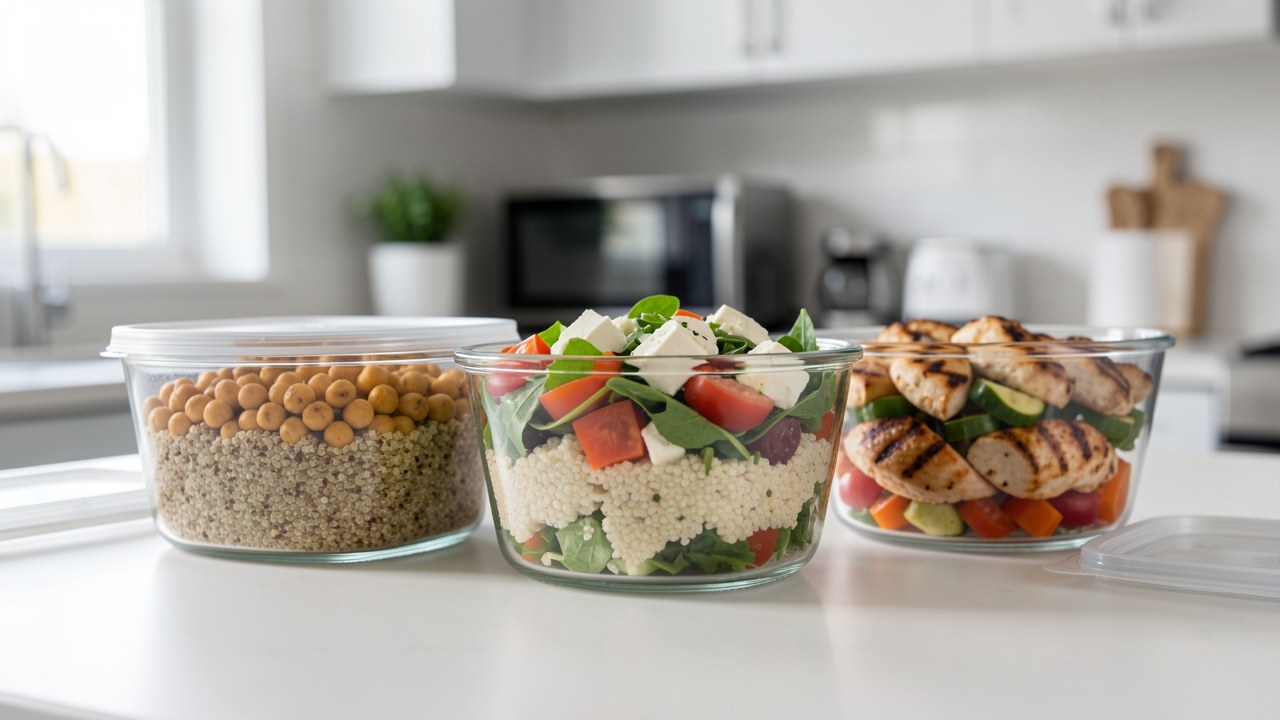
Why Meal Prep Fits Mediterranean Eating
The Mediterranean diet is a plant-forward eating pattern that emphasizes fruits, vegetables, whole grains, legumes, nuts, and extra virgin olive oil as the main source of fat. It also includes moderate amounts of fish, poultry, and dairy, while limiting red meat. With such a strong focus on fresh ingredients and home-cooked meals, a little advance preparation can make it easier to stick with this way of eating throughout a busy week.
Meal prep doesn't mean you have to cook every meal in advance. Instead, you can prepare components that keep well, such as cooked grains, roasted vegetables, and a simple vinaigrette. When hunger strikes, you can quickly assemble a balanced plate or bowl without reaching for a less nutritious option. This approach supports healthy meal planning advice by making the healthier choice the convenient choice.
- Spend a couple of hours on the weekend to set yourself up for stress-free weekdays.
- Focus on prepping versatile staples that you can mix and match.
- Store components in clear containers so you can see what's ready to eat.
Sources: Cleveland Clinic, Mayo Clinic Diet
Kitchen Tools and Containers
You don't need a professional kitchen to prep Mediterranean meals, but a few basic tools will speed up the work and keep your food safe. A chef's knife, a sturdy cutting board, and a set of mixing bowls are essential. If you're chopping a lot of vegetables, a food processor can save time, though it's not required.
For storage, you'll want a variety of airtight containers in different sizes. Glass containers are a good choice because they don't stain and are safe for reheating. You'll also need containers that are freezer-safe if you plan to freeze portions. Consider having a few small containers for dressings and garnishes. Labeling containers with the contents and date is a simple habit that helps you keep track of what you've prepped.
- Use airtight containers to keep food fresh and prevent leaks.
- Straight-sided glass containers are easy to stack and clean.
- Keep small jars or containers for dressings, nuts, and seeds.
Prep Staples: Grains, Legumes,
Whole grains such as farro, brown rice, quinoa, and barley are excellent make-ahead components. The Mediterranean diet includes 3 to 6 servings of whole grains per day, so cooking a large batch early in the week can help you meet that goal. For example, plain farro keeps for 4 to 5 days when refrigerated in an airtight container.
Legumes like chickpeas, lentils, and white beans are also Mediterranean staples; the diet suggests about 3 servings of legumes per week. Dried beans require soaking and simmering, but canned beans are a convenient short-cut. Rinse canned beans well to reduce sodium. If you prefer to cook from dried, prepare a big pot and store them in the fridge for the week.
- Cook a large batch of your favorite whole grain and use it as a base for multiple meals.
- Prepare legumes in bulk, or keep canned beans on hand for quick meals.
- Cook extra fish or chicken to use in salads, bowls, and wraps throughout the week.
- Rinse and soak dried legumes the night before, if using dried beans.
- Cook a pot of whole grains and let it cool completely before refrigerating.
- Roast or grill a few portions of fish and chicken.
- Let all cooked items cool to room temperature before covering and storing.
Sources: Cleveland Clinic, The Mediterranean Dish
Vegetable Prep and Storage
Vegetables are the heart of the Mediterranean diet, which encourages at least 3 servings per day. Prepping vegetables ahead can be a big time-saver, but it's important to store them properly so they stay crisp and flavorful. Some sturdy vegetables, like broccoli, can be roasted and stored in the fridge for up to 5 days. This makes them an easy addition to bowls and plates all week.
Softer vegetables, such as cucumbers and tomatoes, are best sliced just before serving. If you need to prepare them in advance, store them in a separate container and keep them dry. Leafy greens can be washed, dried thoroughly, and stored with a paper towel to absorb moisture. A good rule is to store cut vegetables in airtight containers, and consider using a paper towel to help control humidity.
- Roast a sheet pan of broccoli, bell peppers, zucchini, or eggplant for easy side dishes.
- Keep delicate vegetables separate from heartier prepped items.
- Store washed greens with a paper towel to keep them fresh longer.
Sources: Cleveland Clinic, The Mediterranean Dish
Assembling Balanced Bowls and Plates
The Mediterranean diet is flexible, so you can build balanced meals in a bowl or on a plate. Start with a base of cooked grains, add a generous serving of vegetables, then include a protein such as fish, chicken, or legumes. Finish with a drizzle of extra virgin olive oil, a squeeze of lemon, and a sprinkle of herbs or spices. This method gives you a meal that follows the Mediterranean pattern without needing a formal recipe.
You can also think of the plate method: fill half your plate with vegetables, one-quarter with whole grains, and one-quarter with protein. Add a side of fruit for dessert. This visual guide helps you keep portions in line while enjoying a variety of foods.
- Layer grains, vegetables, and protein in a bowl for a quick lunch.
- Add color and crunch with raw or roasted vegetables.
- Use extra virgin olive oil as your main fat for cooking and dressing.
- Season with herbs and spices instead of salt.
Sources: Cleveland Clinic, The Mediterranean Dish
Sample Weekly Prep Timeline
A typical prep session might take about two hours. Here's a sample timeline to help you organize your time. Adjust it to fit your schedule.
This is an example, not a prescription. You can choose the day that works best for you.
- Start by cooking grains, as they take the longest (about 30-40 minutes).
- While grains cook, roast a large sheet pan of vegetables (about 25 minutes).
- Cook a batch of legumes if you're using dried ones (they may take longer, so start them even earlier).
- Bake or grill a few portions of salmon or chicken (about 15-20 minutes).
- While proteins cook, wash and chop fresh vegetables for snacks and salads.
- Once everything is cool, divide into containers and refrigerate or freeze.
Storing and Reheating Safely
Proper storage is key to keeping your prepped food safe and tasty. After cooking, allow food to cool, but don't leave it out for more than two hours. Then, store it in airtight containers. Airtight containers help prevent bacterial growth and keep food from absorbing other odors in the fridge. Cooked grains like farro can be kept in the fridge for 4 to 5 days. Other cooked grains may last a similar time, but always use your senses and follow food safety guidelines.
When reheating, make sure food is piping hot throughout. You can reheat on the stovetop, in the oven, or in the microwave. For fish, be gentle to avoid drying it out. If you plan to freeze prepared meals, use containers that are safe for the freezer and leave a little room for expansion. Thaw frozen meals in the refrigerator overnight rather than on the counter.
- Cool food quickly and refrigerate within two hours.
- Store cooked grains and legumes in airtight containers for up to a few days.
- Freeze portions for longer storage, and label with the date.
- Reheat leftovers until they are steaming hot, and never reheat the same food twice.
Sources: The Mediterranean Dish
Frequently asked questions
How long do cooked grains last in the fridge?
According to one Mediterranean recipe resource, plain farro keeps for 4 to 5 days when stored in an airtight container in the refrigerator. Other whole grains like brown rice or quinoa may have similar shelf life, but it's always wise to check for any off smells or signs of spoilage before eating.
Sources: The Mediterranean DishCan I freeze Mediterranean-style prepared meals?
As a general practice, use freezer-safe containers, leave room for expansion, and label with the date. Frozen meals are best eaten within a few months for quality, and always reheat thoroughly.
What are the best containers for meal prep?
Airtight containers are essential for keeping food fresh. Glass containers are a good choice because they don't absorb odors or stains and are safe for reheating. For freezing, choose containers that are specifically labeled freezer-safe. Having a mix of sizes, including small ones for dressings or nuts, helps you store different components.
How do I keep vegetables fresh after chopping?
To keep cut vegetables fresh, store them in airtight containers in the refrigerator. Some vegetables, like roasted broccoli, can be stored for up to 5 days. Softer vegetables like cucumbers and tomatoes are best sliced just before serving. If you prepare lettuce or greens, dry them thoroughly and place a paper towel in the container to absorb excess moisture.
Sources: The Mediterranean DishHow many days of meals should I prep at once?
Many people find that prepping 3 to 4 days' worth of components works well, while others prefer to prep just a couple of days to keep food freshest. The key is to store prepared items properly and use them before they spoil, paying attention to how long specific foods keep in the fridge.
How can I meal prep on a busy schedule?
If you're short on time, focus on prepping just one or two versatile components, such as a batch of grains and a protein. You can also use time-saving shortcuts like canned beans (rinsed well) and pre-chopped vegetables from the store. Another strategy is to cook extra portions when you already have the oven on, so you have leftovers for the next day.
Sources
- Mediterranean Diet: Food List & Meal Plan — Cleveland Clinic
- Mediterranean Diet 101: Core Principles and Proven Health Gains — Mayo Clinic Diet
- Best Mediterranean Diet Meal Plan for Beginners — The Mediterranean Dish