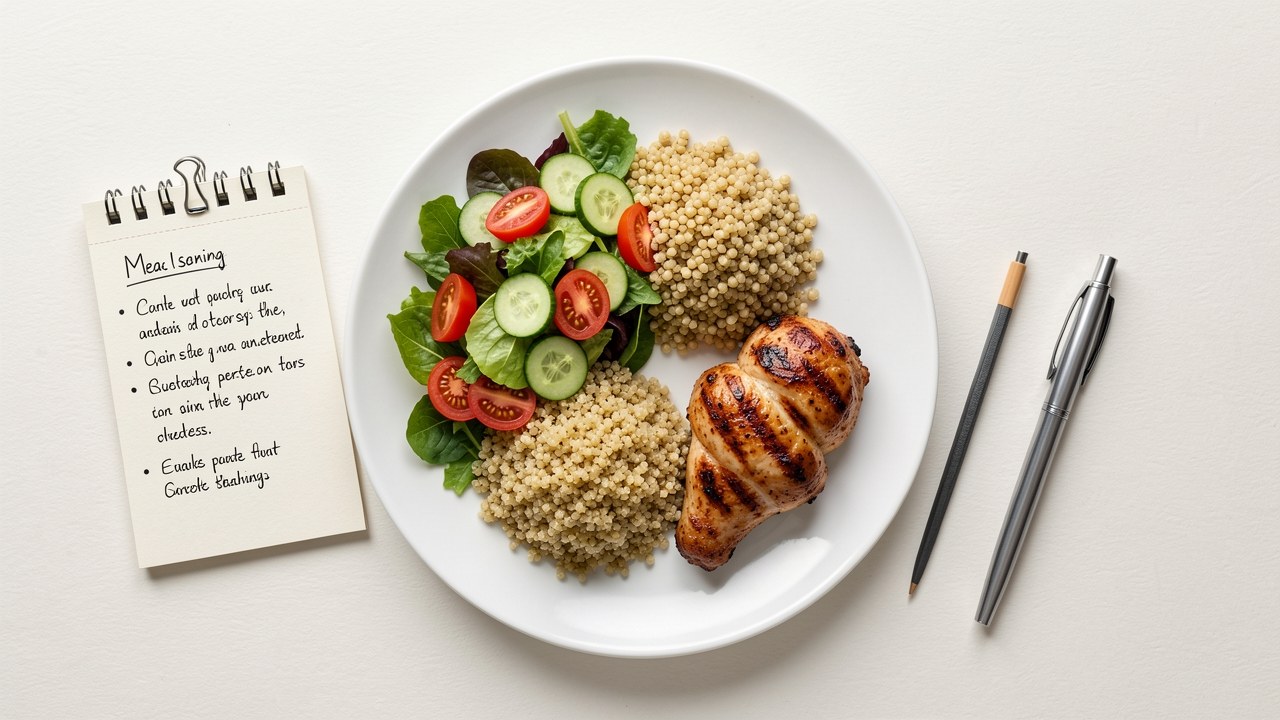
Why Meal Planning Supports a Mediterranean Diet
The Mediterranean diet isn’t a rigid set of rules; it’s an overall eating pattern that emphasizes minimally processed plant foods and healthy fats. Meal planning helps you put these principles into practice consistently, making it easier to eat well even on busy days.
When you plan ahead, you’re more likely to include the foods that anchor this way of eating: vegetables, fruits, whole grains, legumes, nuts, and extra virgin olive oil. By deciding what you’ll eat in advance, you reduce the chance of reaching for less balanced options when hunger strikes.
- A Mediterranean-style eating pattern is linked to a lower risk of cardiovascular disease and other chronic conditions.
- Planning helps you build meals around plant-based foods and use extra virgin olive oil as your main fat instead of butter or margarine.
- A practical plan makes it easier to include fish and seafood a couple of times a week and to keep red meat occasional.
Sources: Cleveland Clinic, Harvard Health Publishing
Build a Balanced Plate
You don’t need a complicated formula to build a balanced Mediterranean-style meal. The simplest approach is to fill your plate mostly with vegetables, add a serving of whole grains, include a moderate portion of protein (often from fish, legumes, or poultry), and finish with a drizzle of olive oil or a handful of nuts.
The guidelines from leading health organizations emphasize abundance of plant foods: aim for at least 3 servings of vegetables each day, ideally including a serving at every meal. Whole grains, such as whole-wheat bread, couscous, or brown rice, form the base of many meals, with a typical goal of 3 to 6 servings a day. Legumes like beans and lentils are recommended about 3 times a week.
Protein doesn’t have to dominate the plate. Fish is encouraged 2 to 3 times weekly, with an emphasis on fatty fish rich in omega-3s. Poultry, eggs, and dairy are used in moderate amounts, while red meat is kept to small portions and infrequent occasions—no more than one serving per week if you choose to include it.
- Make vegetables the star of most meals—at least 3 servings a day, and try to include some at lunch and dinner.
- Choose whole grains like oats, quinoa, brown rice, or whole-wheat pasta for most grain servings.
- Swap in olive oil for cooking and dressing, and enjoy a small handful of nuts as a snack.
- Limit red meat to occasional small servings and focus on fish, legumes, and plant proteins.
Sources: Cleveland Clinic, Harvard Health Publishing
How to Structure Your Week
There’s no single “correct” weekly template for a Mediterranean-style meal plan. What matters is building a rhythm that works for you and keeps healthy choices within reach. A simple way to start is to pick two or three dinner ideas for the week, plan for easy lunches using leftovers, and keep breakfasts quick and nourishing.
A practical method, as suggested by the Mayo Clinic Diet, is to set aside time each week for small tasks: shop for pantry staples in bulk, buy seasonal produce, and do a little advance prep like portioning snacks, marinating proteins, and chopping vegetables. This doesn’t have to take hours—even 30 to 60 minutes can set you up for several days of easier meals.
You don’t need to plan every single meal in advance. Some people find it helpful to plan only dinners, then use leftovers for lunch. Others prefer to plan a full week, but leave room for flexible substitutions. The key is that your plan reflects your schedule and preferences, not a rigid schedule.
- Start with a few anchor meals: identify 2–3 dinners you enjoy and rotate them.
- Stock pantry staples like whole grains, canned beans, olive oil, nuts, and herbs so you can throw together meals quickly.
- Buy seasonal produce—it’s often fresher and more affordable.
- Set aside a short block of time weekly for simple prep: chop veggies, cook a pot of grains, or portion snacks.
Sources: Harvard Health Publishing, Mayo Clinic Diet
Batch Cooking and Smart Leftovers
Batch cooking is a meal-prep strategy that can make Mediterranean eating more convenient. The idea is to cook larger quantities of versatile basics—like a pot of lentils, roasted vegetables, or a pan of whole-grain pasta—and then use them in several meals throughout the week.
This approach works well because many Mediterranean dishes taste great the next day. A batch of bean stew can become lunch, or you can serve it with a fresh salad and whole-grain bread. Cooked grains can be turned into grain bowls with vegetables and a simple vinaigrette. Roasted chicken can be sliced for sandwiches or added to salads.
Use your leftovers creatively. Repurpose dinner into lunch, or combine components in new ways. Having ready-to-eat grains, legumes, and chopped vegetables in the fridge makes it much easier to assemble a balanced meal without much effort.
- Cook grains like farro, brown rice, or quinoa in large batches and store them in the fridge, or freeze portions for later use.
- Make a big pot of bean or lentil soup on the weekend—you can eat it for lunches or freeze portions.
- Roast a tray of seasonal vegetables to use as sides, salad toppings, or additions to omelets.
- Turn leftovers into new meals: add roasted veggies to pasta, top salads with leftover fish, or wrap beans and rice in a tortilla.
Sources: Cleveland Clinic, Mayo Clinic Diet
Common Meal Planning Mistakes to Avoid
One of the biggest mistakes is making meal planning too rigid. If you try to plan out every single meal and snack with precision, you’re more likely to feel overwhelmed and give up. The Mediterranean diet is meant to be flexible—so let your plan be a guide, not a contract.
Another pitfall is planning meals that are too elaborate for your week. If you know Tuesdays are chaotic, schedule simple meals for that day. Rely on convenience foods that still align with Mediterranean principles: canned beans, pre-washed greens, frozen vegetables, and whole-grain bread are all fine shortcuts.
Don’t forget to plan for snacks and treats. A plan that includes only main meals might leave you hungry and reaching for less balanced options. Instead, keep healthy snacks like fruit, nuts, or yogurt on hand. And remember that an occasional dessert or glass of wine is part of a realistic, sustainable pattern—enjoy them without guilt.
- Skipping planning altogether and relying on daily decisions—this often leads to less balanced choices.
- Overcomplicating with too many new recipes each week. Start with a few familiar dishes and add variety gradually.
- Ignoring your schedule—don’t plan a from-scratch dinner on a night you have little time.
- Forgetting to plan for snacks and lunches, so you end up with gaps.
- Trying to be “perfect” and abandoning the plan if you deviate. Just pick it back up with the next meal.
Sources: Cleveland Clinic, Harvard Health Publishing
Frequently asked questions
Do I need to plan every meal in advance?
No. In fact, making a plan too detailed can make it harder to follow. A practical approach is to plan dinners for the week, then use leftovers for lunch or decide the night before. You can also have flexible breakfast options like yogurt with fruit and nuts, or whole-grain toast with olive oil. The goal is to reduce daily decision fatigue, not to lock yourself into a rigid schedule.
Sources: Harvard Health Publishing, Mayo Clinic DietHow can I keep meal planning simple?
Keep a list of 5 to 10 go-to Mediterranean-style meals that you enjoy and can rotate. Shop for staple ingredients in bulk—such as whole grains, canned beans, olive oil, and nuts—so you always have a base. Buy seasonal produce, which often requires less prep. And set aside a short time weekly (even 20 minutes) to sketch out your dinners for the week based on your schedule. You don’t have to plan snacks or sides down to the last detail.
Sources: Mayo Clinic DietWhat if I don't like to cook?
That’s okay. The Mediterranean diet includes many no-cook options. You can build meals from canned beans, pre-washed greens, whole-grain bread, and pre-cooked grains (like quick-cook quinoa or microwave rice). Use olive oil and lemon as a simple dressing. Roasting vegetables in the oven is about as easy as it gets—toss with oil, salt, and pepper, and bake. You can also rely on store-bought rotisserie chicken for quick protein. The key is to choose minimally processed, plant-forward foods that you enjoy.
Sources: Cleveland Clinic, Harvard Health PublishingHow do I make a meal plan that fits my schedule?
Start by looking at your week and identifying your busiest days. On those days, plan for simpler meals: leftovers, a salad with canned fish, or a grain bowl using pre-cooked grains. On days when you have more time, you can cook a batch of something. The Mayo Clinic Diet suggests setting aside a regular time each week for small prep tasks, like chopping vegetables or portioning snacks, so you’re not spending time every day. And remember that cooking once and eating twice—using leftovers—is a smart way to save time.
Sources: Mayo Clinic DietSources
- Mediterranean Diet: Food List & Meal Plan - Cleveland Clinic — Cleveland Clinic
- A practical guide to the Mediterranean diet — Harvard Health Publishing
- Guide to the Mediterranean diet — Harvard Health Publishing
- Mediterranean meal plan: A step-by-step guide to heart-healthy eating — Mayo Clinic Diet