How to Use This Swap Guide
This guide is designed to help you replace less nutritious foods with Mediterranean-friendly alternatives. The Mediterranean diet emphasizes plant-based foods and healthy fats, with extra virgin olive oil as the main source of fat. By making simple swaps, you can align your meals with this eating pattern without overhauling your entire routine.
Start by focusing on one or two swaps that feel manageable. Over time, these small changes can add up, supporting heart health and overall well-being. Remember, the goal is progress, not perfection. Use the suggestions in each category and adapt them to your preferences.
- Pick one swap to try each week.
- Keep your pantry stocked with Mediterranean staples like olive oil, whole grains, and canned fish.
- Experiment with herbs and spices to reduce salt without losing flavor.
Sources: Cleveland Clinic, Stony Brook Medicine
Swap Refined Grains for Whole Grains
Refined grains, such as white bread and white rice, have been stripped of the fiber-rich bran and germ. Whole grains retain these parts, providing more fiber, which can help with fullness, digestion, and heart health. Choosing whole grains also supports healthy weight management and more stable blood sugar levels.
This eating pattern often includes whole grains as a base for meals. Swapping refined grains for whole grains is a simple way to boost the nutritional quality of your meals while staying true to the Mediterranean style of eating.
- Replace white rice with brown rice, quinoa, or barley.
- Choose whole-wheat pasta or whole-grain bread instead of their refined counterparts.
- Start your day with oats or other whole-grain cereals.
Sources: Cleveland Clinic
Swap Unhealthy Fats for Olive Oil and Nuts
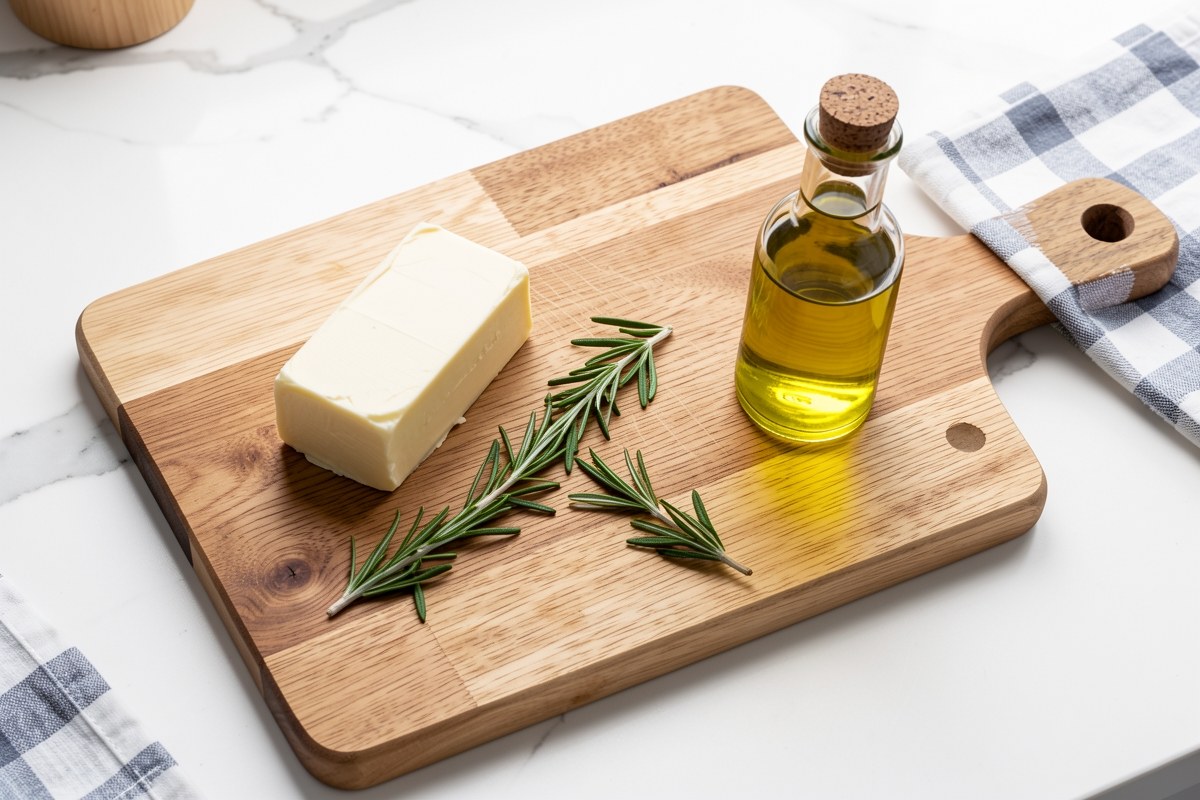
The Mediterranean diet champions extra virgin olive oil as the primary source of fat. This means replacing butter, margarine, and other animal fats with olive oil. Olive oil can be used for cooking, dressing salads, and even as a finishing touch on vegetables.
Nuts are another important source of healthy fats in this eating pattern. Almonds, walnuts, and hazelnuts provide unsaturated fats and make a satisfying snack. A small handful can be added to salads, yogurt, or cereal for extra crunch and nutrition.
When swapping, consider using olive oil in place of butter for sautéing, and try a drizzle of olive oil on bread instead of butter. Snack on a handful of nuts instead of chips or processed snacks.
- Use extra virgin olive oil for cooking and dressings.
- Spread avocado or hummus on sandwiches instead of butter.
- Keep a small container of mixed nuts for a portable snack.
Sources: Cleveland Clinic, Stony Brook Medicine
Swap Sugary Drinks for Water and Herbal Tea
Sugary drinks, like soda and sweetened juices, add empty calories and can disrupt blood sugar. Replacing them with water or herbal tea is a straightforward way to reduce added sugar. The Mediterranean diet encourages water as the primary beverage, and herbal teas can provide flavor without sweetness.
If you find plain water dull, infuse it with lemon, cucumber, or a few mint leaves. Keep a pitcher in the fridge for easy access. Herbal teas, such as chamomile or peppermint, are also a comforting alternative, especially in the evening.
- Keep a water bottle with you and sip throughout the day.
- Choose unsweetened herbal tea instead of sugary drinks.
- Use sparkling water with a splash of citrus as a soda alternative.
Sources: Cleveland Clinic, Stony Brook Medicine
Swap Red Meat for Fish and Plant Proteins
The Mediterranean diet typically limits red meat to occasional servings. Instead, the focus is on fish, especially those rich in omega-3 fatty acids like salmon, sardines, and tuna. Poultry, eggs, beans, and legumes also provide protein in Mediterranean eating patterns.
Include fish in your meals about three times per week, as recommended by authoritative sources. When you do enjoy red meat, keep portions small and reserve it for special occasions rather than daily meals. Plant proteins like chickpeas and lentils are staples in many Mediterranean dishes and offer fiber along with protein.
- Plan at least three fish-based meals weekly, such as grilled salmon or sardines on whole-grain toast.
- Swap ground beef for lentils or a mix of beans in soups and sauces.
- Use chicken or turkey in place of beef in stir-fries or sandwiches.
Sources: Cleveland Clinic, Stony Brook Medicine
Swap Salt for Herbs and Spices
Cutting back on salt is a common recommendation for heart health, and the Mediterranean diet is naturally flavorful without heavy reliance on salt. Instead, herbs and spices like oregano, basil, garlic, and cumin add depth to dishes. This not only reduces sodium intake but also introduces a variety of antioxidants.
Experiment with fresh or dried herbs in your cooking. For example, use a sprinkle of rosemary on roasted vegetables, or add a pinch of cinnamon to oatmeal. Reducing salt gradually can help your taste buds adjust, making it easier to enjoy the true flavors of food.
- Create a custom herb blend for salads and soups.
- Use garlic and onion powder instead of salt in savory dishes.
- Finish meals with a squeeze of lemon or a drizzle of balsamic vinegar for extra flavor.
Sources: Cleveland Clinic, Stony Brook Medicine
Simple Weekly Swap Ideas
To make these swaps practical, consider a week-by-week approach. Each week, focus on a different category. This gradual method can help you build lasting habits without feeling overwhelmed.
A sample week might look like this: Monday swap your breakfast cereal to oatmeal; Tuesday use olive oil instead of butter for cooking dinner; Wednesday replace your afternoon soda with sparkling water; Thursday choose grilled fish over a beef burger; Friday season your meal with herbs instead of salt. By the end of the week, you'll have tried swaps across all categories.
- Start each day with a whole-grain breakfast.
- Pack a lunch that includes a serving of vegetables and a source of plant protein.
- Keep a list of your favorite swaps on the fridge for easy reference.
Sources: Cleveland Clinic, Stony Brook Medicine
Frequently asked questions
Can I still eat butter on the Mediterranean diet?
The Mediterranean diet encourages using extra virgin olive oil as your main fat, so it's best to limit butter. You can swap butter for olive oil in most cooking and even in baking, though the texture may differ. For spreading on bread, try olive oil with herbs or a bit of mashed avocado. While an occasional pat of butter isn't forbidden, making olive oil your go-to fat aligns with the diet's principles.
Sources: Cleveland Clinic, Stony Brook MedicineIs whole-grain pasta a good swap for regular pasta?
Yes, whole-grain pasta is a better choice because it retains more fiber and nutrients than refined white pasta. The Mediterranean diet emphasizes whole grains, so whole-wheat or other whole-grain pastas fit perfectly. You can use them in any recipe, and they pair well with olive oil, vegetables, and lean proteins.
Sources: Cleveland ClinicWhat can I use instead of mayonnaise in Mediterranean recipes?
Instead of mayonnaise, you can use a simple sauce made with extra virgin olive oil, lemon juice, and herbs, or a dollop of plain Greek yogurt. Hummus is also a great spread for sandwiches and wraps. These options are more in line with the Mediterranean emphasis on healthy fats and plant-based ingredients.
Sources: Cleveland Clinic, Stony Brook MedicineAre sweet potatoes allowed on the Mediterranean diet?
Yes, sweet potatoes are absolutely allowed on the Mediterranean diet. They are a whole, plant-based food and a good source of fiber and vitamins. You can roast them with olive oil and herbs, or mash them as a side dish. They fit well within the diet's focus on nutrient-dense vegetables.
Sources: Cleveland Clinic, Stony Brook MedicineSources
- Mediterranean Diet: Food List & Meal Plan - Cleveland Clinic — Cleveland Clinic
- The Mediterranean Diet | Stony Brook Medicine — Stony Brook Medicine